
 by
by 
The Internet of Things: When Everyday Things Start Thinking (A Little) — and Why It Matters
- Shameer
- 9:54 am
- November 10, 2025
You stumble out of bed, bleary-eyed. Your coffee machine has already started brewing. Your thermostat warmed the bedroom just enough to make getting up painless. Your phone pings: the smart fridge noticed you’re low on milk and added it to your grocery list. Far from science fiction, that’s the Internet of Things — devices quietly helping you through the day, one tiny data point at a time.
But IoT isn’t just about convenient mornings and smart kettles. It’s a quiet revolution reshaping healthcare, farming, cities, and industries — and it comes with both enormous opportunity and real risk.
What is IOT?
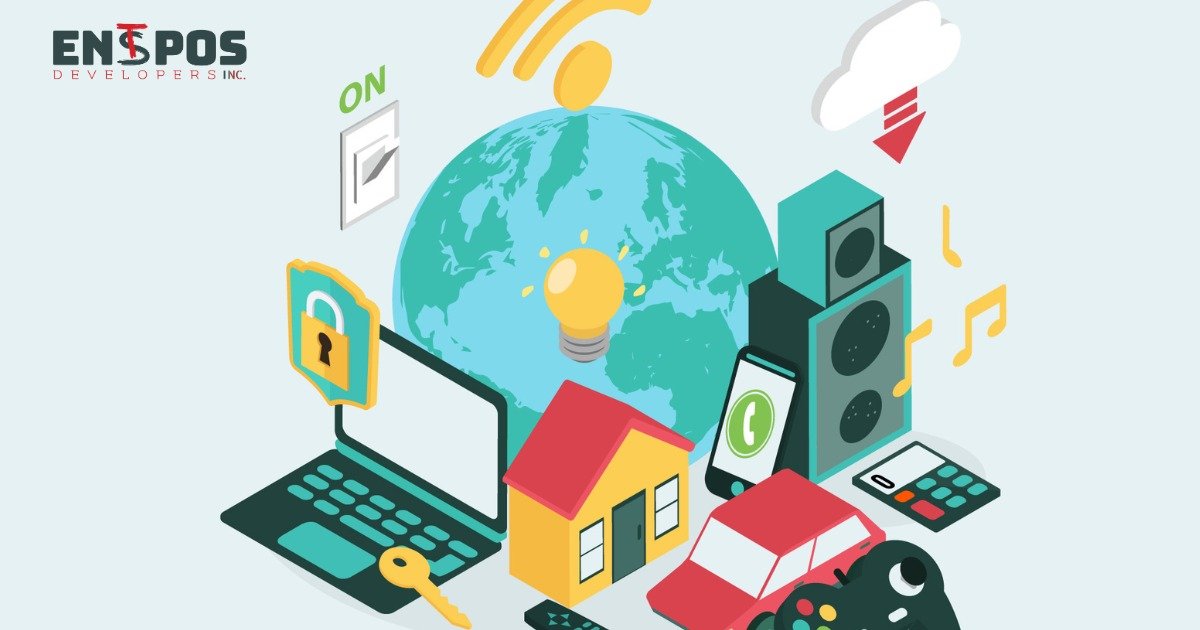
IoT = ordinary objects + internet + tiny brains (sensors and software).
A sensor sees something (is the soil dry?), a device sends that signal, the cloud or an app decides what to do, and something acts (water the crop, text the farmer). No dramatic sci-fi robot uprising — just lots of small, useful conversations between devices.
But How Does It Actually Work?
It’s simple when you break it down:
Devices (like sensors or wearables) collect data.
That data is sent through the internet to a cloud platform.
The platform analyzes it and sends back useful information or commands.
For example, your smart thermostat senses that you’re away, and the app automatically lowers the temperature to save energy
It’s all about communication — not between people, but between things.
The Future Is Connected
The Internet of Things is not just a tech trend — it’s a shift in how we live. As IoT grows, our homes, workplaces, and cities will continue getting smarter, more responsive, and more connected.