
AI Phones & Foldables: Nubia AI Agent Smartphone and Samsung Galaxy Foldables 2026
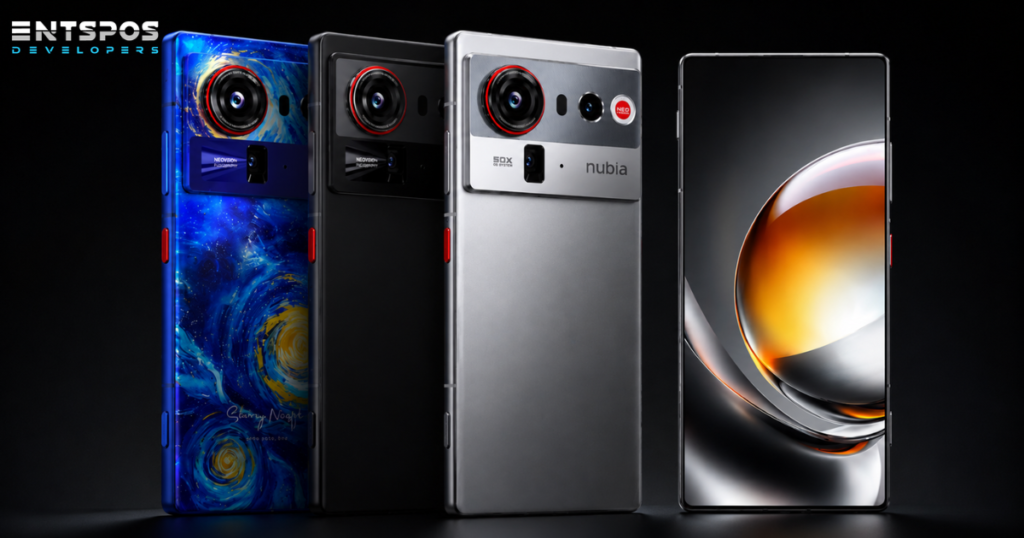
Nazima 3:11 pm July 11, 2026 AI Phones and Foldable Hardware Are Entering a New Phase The smartphone industry is changing fast. It’s not just about making improvements anymore. A company called Nubia is getting ready to show off a kind of phone. They call it the worlds AI agent smartphone. Meanwhile Samsung is having an event on July 22. People are excited to see their new Galaxy Z Fold 8 Ultra and foldable phones. A New Kind of Smartphone From Nubia Nubia will show off their AI agent smartphone at WAIC 2026 in Shanghai. The event is from July 17 to July 20. They say this phone can do tasks on its own. It can work across apps. It’s not about answering commands. This is different from phones. Most phones use AI to help with things.. Nubia wants AI to be the main way the phone works. If it really works this could be a change in how we use phones. Why Nubia’s Claim Stands Out What makes Nubias announcement special is how they’re talking about autonomy. They want the phone to understand what you want. It should be able to navigate apps and do things on its own with help from you. This moves AI in phones to a practical and ambitious level. Of just being a digital assistant the phone acts like an agent. It can do things for you. This is exciting for people who create content write tech articles and like trying things. Samsung’s Foldable Strategy Takes Shape Samsungs event on July 22 will focus on phones and wearables. People are already talking about what might be shown. One big rumor is that the Galaxy Z Fold 8 Ultra could have a display that gets bright. 3,600 Nits. That would be an improvement. There are also rumors that Samsung might add charging. If thats true it would make their foldable phones better. The rumored Ultra model suggests Samsung might be making their foldable phones premium. What This Means For Users These two stories are about the trend in the smartphone industry. Nubia is focusing on making phones smarter and more automatic. Samsung is working on making their phones better and more useful. One is trying to change what a phone can do. The other is trying to make a foldable phone work better in daily life. For people who buy phones the important question is no longer about which phone has a better camera or faster processor. It’s, about how a phone can help you through automation, good display, battery life and convenience. That’s why these announcements are getting a lot of attention. The Bigger Industry Signal These developments show that the smartphone market is getting more competitive and experimental. AI is becoming a feature. Foldable phones are getting more premium. The next few weeks will be important. We’ll see if Nubias AI phone is a breakthrough or just a concept. We’ll also see if Samsungs new phones match the rumors. Either way both companies are shaping the future of innovation. Recent Posts
The Internet of Things: When Everyday Things Start Thinking (A Little) — and Why It Matters
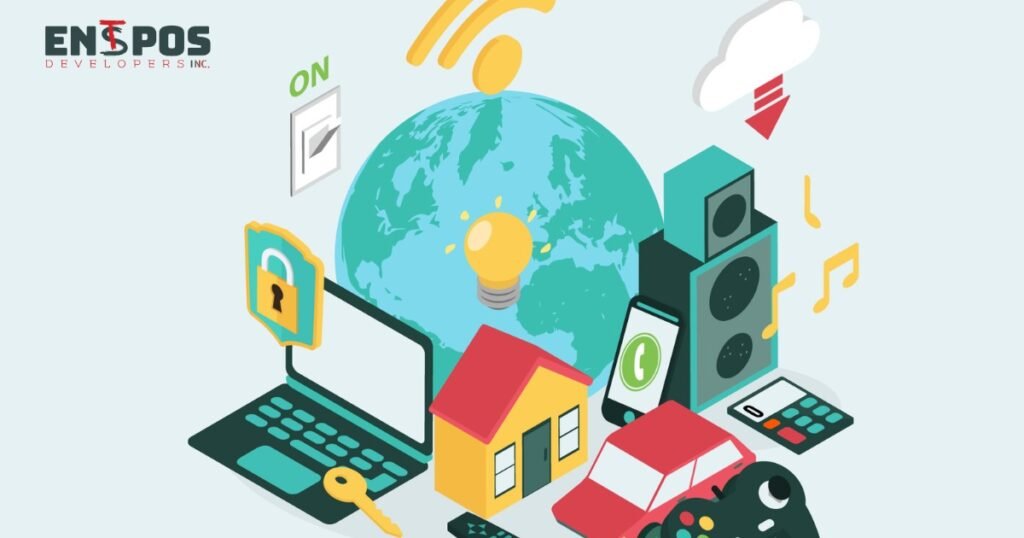
Shameer 9:54 am November 10, 2025 You stumble out of bed, bleary-eyed. Your coffee machine has already started brewing. Your thermostat warmed the bedroom just enough to make getting up painless. Your phone pings: the smart fridge noticed you’re low on milk and added it to your grocery list. Far from science fiction, that’s the Internet of Things — devices quietly helping you through the day, one tiny data point at a time.But IoT isn’t just about convenient mornings and smart kettles. It’s a quiet revolution reshaping healthcare, farming, cities, and industries — and it comes with both enormous opportunity and real risk. What is IOT? IoT = ordinary objects + internet + tiny brains (sensors and software).A sensor sees something (is the soil dry?), a device sends that signal, the cloud or an app decides what to do, and something acts (water the crop, text the farmer). No dramatic sci-fi robot uprising — just lots of small, useful conversations between devices. But How Does It Actually Work? It’s simple when you break it down:Devices (like sensors or wearables) collect data.That data is sent through the internet to a cloud platform.The platform analyzes it and sends back useful information or commands.For example, your smart thermostat senses that you’re away, and the app automatically lowers the temperature to save energy It’s all about communication — not between people, but between things. The Future Is Connected The Internet of Things is not just a tech trend — it’s a shift in how we live. As IoT grows, our homes, workplaces, and cities will continue getting smarter, more responsive, and more connected. Recent Posts