
YouTube is developing new tools to safeguard creators from AI-generated imitations

entspos 5:16 pm September 6, 2024 YouTube is developing new tools to give creators more control over content that mimics their voice or likeness using generative AI. In a recent announcement, YouTube revealed that its upcoming likeness management technology aims to protect creators and partners while allowing them to “leverage AI’s creative potential” by fostering responsible AI use. One of the tools, called a “synthetic-singing identification technology,” will enable artists and creators to automatically detect and manage YouTube videos that use AI to replicate their singing voices. This tool will integrate into YouTube’s existing Content ID system and is set to be tested in a pilot program next year. This development follows YouTube’s commitment in November to help music labels remove AI-generated clones of musicians. As generative AI music tools become more advanced and accessible, many artists fear they could be used for plagiarism and copyright infringement. Earlier this year, over 200 artists, including Billie Eilish, Pearl Jam, and Katy Perry, signed an open letter calling unauthorized AI mimicry an “attack on human creativity” and urging for stronger protections to safeguard performers’ livelihoods. YouTube is also working on a separate tool to detect facial deepfakes of creators, actors, musicians, and athletes on its platform. While still in development, YouTube has not provided a timeline for its release. Recent Posts
AI brings a new dimension to the complexities of transforming organizations.
entspos 8:12 pm September 1, 2024 Change is universally challenging, and this difficulty escalates in large organizations. Over the past 15 years, we’ve witnessed major companies struggle repeatedly as they attempted to adopt mobile technology, Big Data, cloud computing, and digital transformation. Today, AI is the force compelling companies and their employees to adapt, whether they want to or not. One significant hurdle is technical debt—the idea that an organization’s technology infrastructure must evolve to leverage new technologies fully, rather than relying on systems built for a previous era. Transforming something so integral to business operations is risky; it’s no small feat to change without disrupting what already works. Many managers are understandably hesitant to embrace such substantial change due to the high risks and potential rewards involved. Another challenge is institutional inertia. Changing established workflows is tough. Years ago, as a technical writer, I helped implement a computer system in a small-town register of deeds office, where deeds were manually filed in cabinets—a cumbersome process that could take weeks. The new computer system was a clear improvement, but the front-desk workers were resistant. Their identity and sense of authority were tied to the physical act of stamping documents, a ritual they had performed with pride for decades. To gain their buy-in, the system architect ultimately allowed them to keep their stamps, even though the new system rendered them unnecessary. This leads to the core issue: change management. The toughest part of implementing new technology isn’t purchasing or deploying it—it’s getting people to use it. Sometimes, you have to allow people to keep their “stamps,” or they might undermine even the best-intentioned plans. Considering the scale of change that AI introduces, the challenge becomes even more significant. Those accustomed to holding the “stamps” see their influence waning, and it’s crucial to manage this transition carefully to avoid wasting resources. Ultimately, organizations are made up of people, and people are complex. To truly transform a business with new technology, you need to look beyond the technical aspects and focus on the human element. AI represents a whole new way of working. Technological shifts within organizations are not new—the arrival of PCs in the 1980s and the spread of the internet were transformative. However, AI may surpass these previous waves of change. AI is fundamentally different from past technological advancements. It reduces the cost of expertise, shifting the dynamics of how work is performed. This technology enables computers to make judgment calls and process data similarly to humans, prompting companies to rethink the role of computing within their operations. This shift requires new frameworks and paradigms to address issues like accuracy, data security, and model training. Companies must navigate a complex landscape of vendors and solutions, each promising to add value but often complicating the decision-making process. A major challenge is determining whether generative AI truly enhances productivity. Without clear metrics, it’s difficult to convince skeptical employees of its benefits. Yet, some employees will demand these tools, creating tension as organizations work to integrate AI across varying perspectives. Despite these challenges, some experts argue that embracing AI is essential to staying competitive. The technology is transformative, and failing to adopt it could result in losing market share and becoming obsolete. The real value of AI lies in its ability to fundamentally change how work is done. Like the advent of word processors, which revolutionized the way people managed information, AI holds the potential to unlock new levels of innovation and efficiency. Executive buy-in has always been critical in driving technological change. Unlike previous technologies, AI’s impact is readily apparent to CEOs and board members, which may accelerate its adoption. However, overcoming the human element remains the most significant obstacle. As organizations embrace AI, they must carefully manage the transition, ensuring that employees feel empowered rather than threatened by the changes. The road ahead won’t be easy. Companies vary in their technological readiness and ability to adapt. But AI will challenge organizational flexibility more than any previous technology, and how well companies navigate this shift may determine their future success or failure. Recent Posts
Google to reintroduce AI image generation tool for creating images of people after halting service over inaccuracies.

entspos 5:48 pm August 28, 2024 Cruise, General Motors’ self-driving subsidiary, has signed a multi-year agreement with Uber to integrate its robotaxis into the ride-hailing platform by 2025. While Cruise hasn’t specified the exact date customers can expect to see its vehicles on Uber’s app, a spokesperson told TechCrunch that the partnership will commence after Cruise relaunches its own driverless service. This announcement signals that Cruise is gearing up to bring its robotaxis back to public roads following an incident last October when one of its vehicles struck a pedestrian (who was initially hit by a human-driven car). The partnership also aligns with Uber CEO Dara Khosrowshahi’s recent comments positioning Uber as a key partner for autonomous vehicle companies aiming to commercialize their technology. Uber has already teamed up with Waymo, offering Waymo vehicles on its app in Phoenix since October 2023. Before the safety incident that led to Cruise losing its autonomous operating permits in California and grounding its U.S. fleet, Cruise had been rapidly expanding, offering paid autonomous rides in cities like San Francisco, Austin, Houston, and Phoenix, with driverless testing also taking place in Miami. In April 2024, Cruise resumed manual testing of its robotaxis in Phoenix and has since extended testing to Dallas and Houston. The company is also working closely with regulators to facilitate a safe relaunch. Recently, Cruise recalled its fleet of 1,194 autonomous vehicles to address a federal safety investigation related to unexpected braking issues. In June, Cruise paid a $112,500 fine to California regulators for communication mishandling during last year’s incident, positioning the company to restart operations in the state. Cruise’s collaboration with Uber echoes earlier remarks by Uber CEO Dara Khosrowshahi, who highlighted Uber’s ability to add significant value for autonomous vehicle companies seeking large-scale deployment. He noted that while AVs are costly, Uber can enhance their utilization without the need for AV companies to invest in acquiring customers or building complex marketplace technology. Uber’s partnerships extend beyond ride-hailing, with active collaborations in its food delivery sector, including autonomous vehicle startup Nuro and sidewalk delivery robot companies Serve Robotics and Cartken. Additionally, Uber has joined forces with autonomous trucking companies Waabi and Aurora Innovation, though neither operates fully autonomously yet. More announcements are likely on the horizon for Uber. The company recently inked a deal with Chinese EV startup BYD to bring 100,000 new EVs onto the platform in markets outside the U.S., with plans to collaborate on future BYD autonomous-capable vehicles for the Uber platform. BYD committed $14 billion to autonomous vehicle technology in June. Recent Posts
Cruise and Uber Partner to Bring Robotaxis to Ride-Hailing Platform in 2025
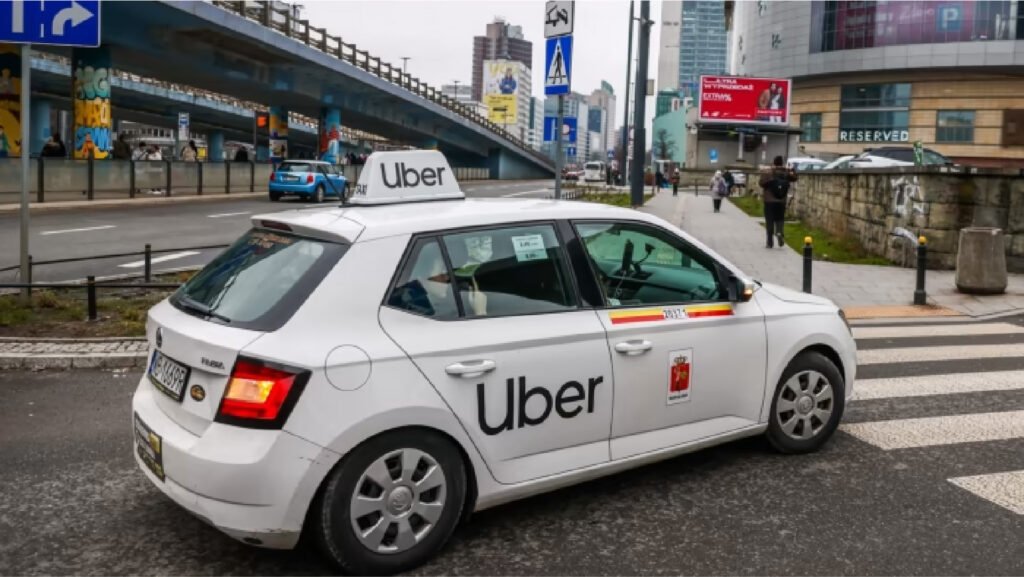
entspos 9:34 am August 23, 2024 Cruise, General Motors’ self-driving subsidiary, has signed a multi-year agreement with Uber to integrate its robotaxis into the ride-hailing platform by 2025. While Cruise hasn’t specified the exact date customers can expect to see its vehicles on Uber’s app, a spokesperson told TechCrunch that the partnership will commence after Cruise relaunches its own driverless service. This announcement signals that Cruise is gearing up to bring its robotaxis back to public roads following an incident last October when one of its vehicles struck a pedestrian (who was initially hit by a human-driven car). The partnership also aligns with Uber CEO Dara Khosrowshahi’s recent comments positioning Uber as a key partner for autonomous vehicle companies aiming to commercialize their technology. Uber has already teamed up with Waymo, offering Waymo vehicles on its app in Phoenix since October 2023. Before the safety incident that led to Cruise losing its autonomous operating permits in California and grounding its U.S. fleet, Cruise had been rapidly expanding, offering paid autonomous rides in cities like San Francisco, Austin, Houston, and Phoenix, with driverless testing also taking place in Miami. In April 2024, Cruise resumed manual testing of its robotaxis in Phoenix and has since extended testing to Dallas and Houston. The company is also working closely with regulators to facilitate a safe relaunch. Recently, Cruise recalled its fleet of 1,194 autonomous vehicles to address a federal safety investigation related to unexpected braking issues. In June, Cruise paid a $112,500 fine to California regulators for communication mishandling during last year’s incident, positioning the company to restart operations in the state. Cruise’s collaboration with Uber echoes earlier remarks by Uber CEO Dara Khosrowshahi, who highlighted Uber’s ability to add significant value for autonomous vehicle companies seeking large-scale deployment. He noted that while AVs are costly, Uber can enhance their utilization without the need for AV companies to invest in acquiring customers or building complex marketplace technology. Uber’s partnerships extend beyond ride-hailing, with active collaborations in its food delivery sector, including autonomous vehicle startup Nuro and sidewalk delivery robot companies Serve Robotics and Cartken. Additionally, Uber has joined forces with autonomous trucking companies Waabi and Aurora Innovation, though neither operates fully autonomously yet. More announcements are likely on the horizon for Uber. The company recently inked a deal with Chinese EV startup BYD to bring 100,000 new EVs onto the platform in markets outside the U.S., with plans to collaborate on future BYD autonomous-capable vehicles for the Uber platform. BYD committed $14 billion to autonomous vehicle technology in June. Recent Posts
Microsoft Copilot: Everything you need to know about Microsoft’s AI
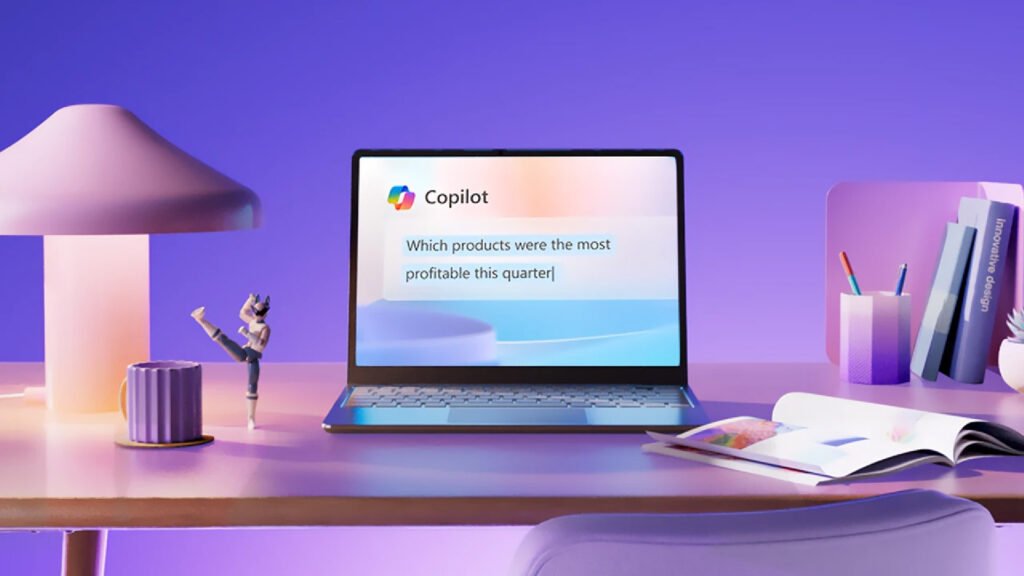
entspos 10:38 am August 19, 2024 Copilot is Microsoft’s innovative approach to enhancing productivity through generative AI, aligning with its expansive AI ambitions. Today, there are about a dozen Copilot-branded products integrated into various Microsoft software and services, offering features like summarizations in Microsoft Outlook and transcriptions in Microsoft Teams. In addition to these, Microsoft also offers GitHub Copilot for code generation and a general-purpose Copilot on Windows and the web, similar to OpenAI’s ChatGPT. This post will explore the different Microsoft Copilot products, their functionalities, and highlight the distinctions between them. What is Microsoft Copilot? Microsoft Copilot, formerly known as Bing Chat, is embedded in Microsoft’s search engine Bing, as well as Windows 10, Windows 11, and the Microsoft Edge sidebar. Some newer PCs even feature a dedicated keyboard key for launching Copilot. Additionally, there are stand-alone Copilot apps for Android and iOS, and an in-app Telegram room. Powered by fine-tuned versions of OpenAI’s models, Copilot can perform a wide range of tasks described in natural language, such as writing poems and essays, translating text, and summarizing web sources. It also provides up-to-date information by browsing the web via Bing, although it occasionally makes mistakes. Copilot can create images using Microsoft’s Image Creator, built on OpenAI’s DALL-E 3 model, and generate songs through an integration with the AI music-generation platform Suno. For instance, typing “Create an image of a zebra” or “Generate a song with a jazz rhythm” in Copilot will activate the relevant tool. Copilot supports plug-ins for third-party apps and websites, including Instacart for meal planning, Kayak for trip planning, OpenTable for restaurant reservations, and Shopify, among others. Which Windows settings can Copilot control? On Windows 11, Copilot can control certain settings and functions, acting as a digital concierge. Users can type or use speech recognition to perform actions like turning the battery saver on or off, displaying device and system information, launching live captions, showing the PC’s IP address, and emptying the recycle bin. A toggle in the Copilot interface switches between “Work” and “Web” mode, with the former integrating Copilot’s Microsoft 365 capabilities. What is Copilot Pro? Copilot Pro, priced at $20 per month, offers premium features similar to other generative AI chatbot plans. Subscribers get priority access to the most capable OpenAI models, exclusive features like higher-resolution images from Image Creator, and access to generative AI functions across Word, Excel, PowerPoint, Outlook, and OneNote. Copilot Pro subscribers receive 100 daily “boosts” in Image Creator and access to generative AI functions across the Microsoft 365 desktop apps for those with a Microsoft 365 Personal or Family plan. However, Copilot Pro does not include Copilot in Teams, which is reserved for enterprise Copilot customers. What is Copilot for Microsoft 365? Copilot for Microsoft 365, priced at $30 per user per month, is available to customers with specific Microsoft 365 licenses. It offers similar capabilities as Copilot Pro but includes enterprise-grade data protection and the Semantic Index for more personalized responses. It integrates into Microsoft 365 apps to assist with tasks like formatting Excel data or generating PowerPoint presentations. List of Copilot Products and Their Skills: Copilot in Power Pages: Generates text, forms, chatbots, and web page layouts. Copilot for Sales: Assists with email responses and sales-related tasks. Copilot in Microsoft Supply Chain Center: Flags issues affecting supply chains. Copilot for Service: Drafts answers to customer queries and assists customer service agents. Copilot for Azure: Suggests configurations and helps with troubleshooting. Copilot for Security: Summarizes cyber threat intelligence. Copilot in Fabric: Helps with data visualization and transformation. Copilot in Intune: Manages security policies and device issues. Team Copilot: Manages meeting agendas and tasks in Teams. Recent Posts