
Microsoft taps Three Mile Island nuclear plant to power AI

Shameer 9:04 pm September 20, 2024 Data centers powering AI models require vast energy, and major tech companies are turning to nuclear power to meet these demands. Microsoft has made a significant move by signing a deal with Constellation Energy to source energy for its data centers from the Three Mile Island Unit 1 nuclear plant. This plant, which is adjacent to the infamous TMI-Unit 2 that suffered a meltdown in 1979, was decommissioned in 2019 due to declining demand for nuclear energy. However, Constellation plans to invest $1.6 billion to revive the facility, with an expected operational date by 2028, pending regulatory approval. Microsoft has agreed to purchase all the energy produced by the 835-megawatt plant for the next 20 years, though financial terms have not been disclosed. Once restored, the plant will be renamed the Crane Clean Energy Center (CCEC) in honor of Constellation’s late CEO, Chris Crane. The plant’s revival is projected to create 3,400 jobs and contribute $16 billion to Pennsylvania’s GDP. Joe Dominguez, CEO of Constellation, highlighted nuclear energy’s reliability, stating it’s the only energy source capable of consistently powering critical industries, including data centers, with carbon-free energy around the clock. Microsoft isn’t the only tech company eyeing nuclear energy. OpenAI’s CEO Sam Altman has advocated for nuclear power, and Amazon recently acquired a nuclear-powered data center in Pennsylvania for $650 million. As companies like Microsoft, Amazon, and Alphabet strive to transition to 100% renewable energy by 2030, the surge in AI demands has complicated their green energy goals. A report in June revealed that the power consumption of future data centers could reach 508 terawatt-hours annually, exceeding Australia’s yearly electricity production. The growing demand for clean energy across industries, including electric vehicles and factories, has led to renewed interest in nuclear power. Investors are increasingly optimistic about nuclear fusion startups, which have raised $7.1 billion so far, offering a cleaner, more powerful alternative that relies on hydrogen fuel instead of uranium or plutonium. Recent Posts
Microsoft Copilot: Everything you need to know about Microsoft’s AI
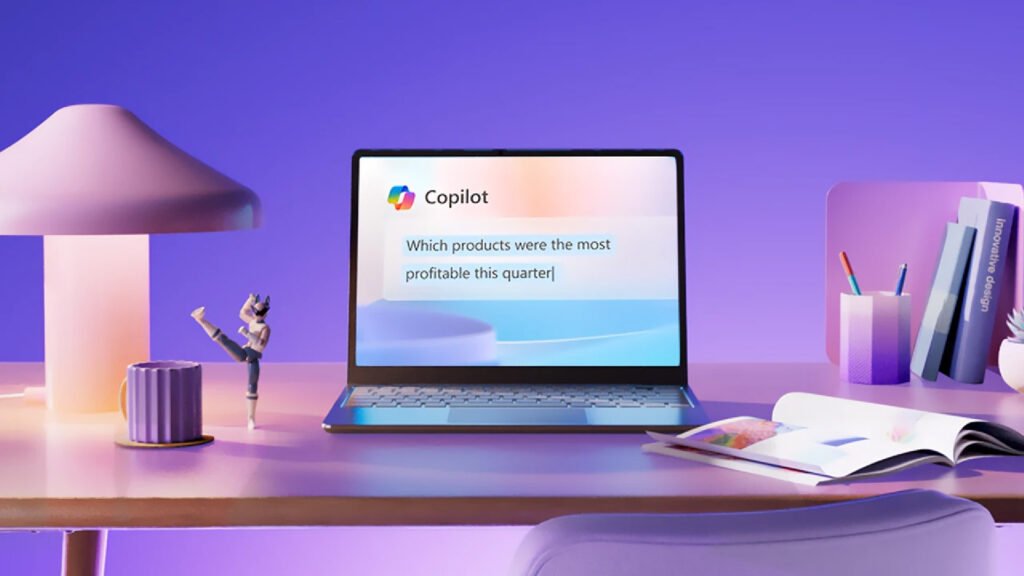
entspos 10:38 am August 19, 2024 Copilot is Microsoft’s innovative approach to enhancing productivity through generative AI, aligning with its expansive AI ambitions. Today, there are about a dozen Copilot-branded products integrated into various Microsoft software and services, offering features like summarizations in Microsoft Outlook and transcriptions in Microsoft Teams. In addition to these, Microsoft also offers GitHub Copilot for code generation and a general-purpose Copilot on Windows and the web, similar to OpenAI’s ChatGPT. This post will explore the different Microsoft Copilot products, their functionalities, and highlight the distinctions between them. What is Microsoft Copilot? Microsoft Copilot, formerly known as Bing Chat, is embedded in Microsoft’s search engine Bing, as well as Windows 10, Windows 11, and the Microsoft Edge sidebar. Some newer PCs even feature a dedicated keyboard key for launching Copilot. Additionally, there are stand-alone Copilot apps for Android and iOS, and an in-app Telegram room. Powered by fine-tuned versions of OpenAI’s models, Copilot can perform a wide range of tasks described in natural language, such as writing poems and essays, translating text, and summarizing web sources. It also provides up-to-date information by browsing the web via Bing, although it occasionally makes mistakes. Copilot can create images using Microsoft’s Image Creator, built on OpenAI’s DALL-E 3 model, and generate songs through an integration with the AI music-generation platform Suno. For instance, typing “Create an image of a zebra” or “Generate a song with a jazz rhythm” in Copilot will activate the relevant tool. Copilot supports plug-ins for third-party apps and websites, including Instacart for meal planning, Kayak for trip planning, OpenTable for restaurant reservations, and Shopify, among others. Which Windows settings can Copilot control? On Windows 11, Copilot can control certain settings and functions, acting as a digital concierge. Users can type or use speech recognition to perform actions like turning the battery saver on or off, displaying device and system information, launching live captions, showing the PC’s IP address, and emptying the recycle bin. A toggle in the Copilot interface switches between “Work” and “Web” mode, with the former integrating Copilot’s Microsoft 365 capabilities. What is Copilot Pro? Copilot Pro, priced at $20 per month, offers premium features similar to other generative AI chatbot plans. Subscribers get priority access to the most capable OpenAI models, exclusive features like higher-resolution images from Image Creator, and access to generative AI functions across Word, Excel, PowerPoint, Outlook, and OneNote. Copilot Pro subscribers receive 100 daily “boosts” in Image Creator and access to generative AI functions across the Microsoft 365 desktop apps for those with a Microsoft 365 Personal or Family plan. However, Copilot Pro does not include Copilot in Teams, which is reserved for enterprise Copilot customers. What is Copilot for Microsoft 365? Copilot for Microsoft 365, priced at $30 per user per month, is available to customers with specific Microsoft 365 licenses. It offers similar capabilities as Copilot Pro but includes enterprise-grade data protection and the Semantic Index for more personalized responses. It integrates into Microsoft 365 apps to assist with tasks like formatting Excel data or generating PowerPoint presentations. List of Copilot Products and Their Skills: Copilot in Power Pages: Generates text, forms, chatbots, and web page layouts. Copilot for Sales: Assists with email responses and sales-related tasks. Copilot in Microsoft Supply Chain Center: Flags issues affecting supply chains. Copilot for Service: Drafts answers to customer queries and assists customer service agents. Copilot for Azure: Suggests configurations and helps with troubleshooting. Copilot for Security: Summarizes cyber threat intelligence. Copilot in Fabric: Helps with data visualization and transformation. Copilot in Intune: Manages security policies and device issues. Team Copilot: Manages meeting agendas and tasks in Teams. Recent Posts
Meet the founder who built and sold a $600M enterprise software startup from Sri Lanka

entspos 5:34 pm August 3, 2024 Sanjiva Weerawarana: A Sri Lankan Success Story Sanjiva Weerawarana is a remarkable figure in Sri Lanka’s tech industry. In 2005, he founded the enterprise software firm WSO2, which grew to nearly $100 million in annual recurring revenue (ARR) before being sold to private equity firm EQT for $600 million in May 2024. Despite Sri Lanka’s modest startup ecosystem, WSO2 has stood out with major clients like Samsung, Axa, and AT&T. Founding WSO2 Weerawarana’s journey began at IBM, where he helped develop web service specifications such as WSDL and BPEL. When IBM showed no interest in his innovative middleware stack idea, he decided to establish WSO2. Despite the ongoing civil war in Sri Lanka at the time, WSO2 thrived. Today, 80% of its 780 employees are based in Sri Lanka, with the rest spread across the U.S., Europe, and Asia. Growth and Open Source Success WSO2, an open-source enterprise software provider, benefited greatly from the open-source movement, which allowed global collaboration and development. With Intel Capital as its earliest backer, WSO2 positioned itself well during the rise of cloud computing and microservices. Recently, the company has integrated AI into its products, launching a new API manager that allows developers to use AI-powered chatbots for API testing. Acquisition and Future Plans The acquisition by EQT marks a significant milestone for WSO2, providing the company with the resources to pursue longer-term strategies and setting its sights on an IPO within five years. EQT’s investment reflects confidence in WSO2’s robust product offerings, deep enterprise client relationships, and sound financial management. Weerawarana’s Commitment to Sri Lanka Weerawarana’s commitment to Sri Lanka is unwavering. Through the Avinya Foundation, established in 2022, he supports economically disadvantaged children with vocational education programs. Additionally, his decision to drive for Uber in 2017 was aimed at challenging social stigmas around certain types of work in Sri Lanka, demonstrating that all jobs deserve respect. Conclusion Sanjiva Weerawarana’s story is a testament to the potential of Sri Lanka’s tech industry. With WSO2’s continued growth and the support of EQT, the company is poised to make even greater strides on the global stage. Weerawarana’s vision and dedication to his country and industry continue to inspire many. Recent Posts