
 by
by 
A Professional Overview of Blockchain: How It Works and Why It Matters
- Shameer
- 5:11 pm
- November 15, 2025
What is Blockchain?
Blockchain is a method of storing information in a way that makes it nearly impossible to alter, hack, or manipulate. Think of it as a digital ledger that is shared across thousands of computers instead of being held by one person or organization.
Imagine a notebook where every transaction is recorded. Now imagine thousands of people having identical copies of that notebook. Whenever a new entry is added, everyone’s copy updates automatically. That’s exactly how blockchain works.
How Does Blockchain Work?
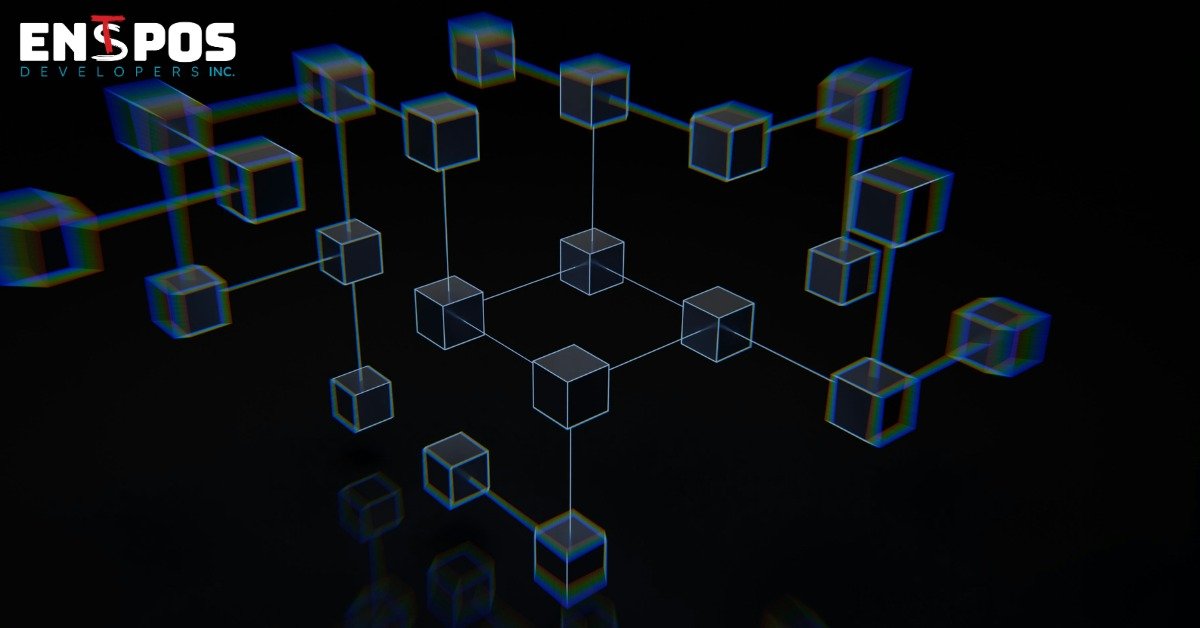
The term blockchain comes from its structure—data is stored in blocks that are linked together in a chronological chain.
Step-by-step process:
A Transaction Occurs
Someone initiates a transaction or submits data to be recorded.Broadcast to the Network
The transaction is shared with a worldwide network of computers called nodes.Verification
These nodes verify the transaction using complex mathematical algorithms to ensure its legitimacy.Block Creation
Verified transactions are grouped together to form a new block.Adding to the Chain
The new block is permanently added to the blockchain. Each block contains information linking it to the previous block, creating a secure chain.
A Brief History of Blockchain
The concept began in the early 1990s when Stuart Haber and W. Scott Stornetta introduced a method for securing digital documents using cryptographically linked blocks.
Their pioneering research influenced future cryptography experts such as Dave Bayer and Hal Finney.
In 2008, an individual (or group) under the pseudonym Satoshi Nakamoto released the Bitcoin whitepaper, which became the foundation of modern blockchain technology.
Benefits of Blockchain Technology
• Reduced Costs
By removing middlemen and automating processes, blockchain significantly lowers transaction expenses.
• Increased Speed
Transactions that usually take days can be completed within minutes or even seconds.
• Enhanced Security
Its cryptographic design makes blockchain highly resistant to fraud, tampering, and cyberattacks.
• Greater Trust
Transparent and unalterable records help build trust among participants—even those who don’t know or trust each other.
Conclusion
Blockchain is reshaping how information is stored and verified. Its decentralized, transparent, and secure nature has the potential to transform numerous industries and daily interactions.
You don’t need a technical background to understand blockchain. At its core, it’s simply a better, safer, and more transparent way to keep records. As it continues to evolve, being familiar with blockchain will become increasingly valuable for professionals, tech enthusiasts, and anyone interested in the future of digital innovation.