 by
by 
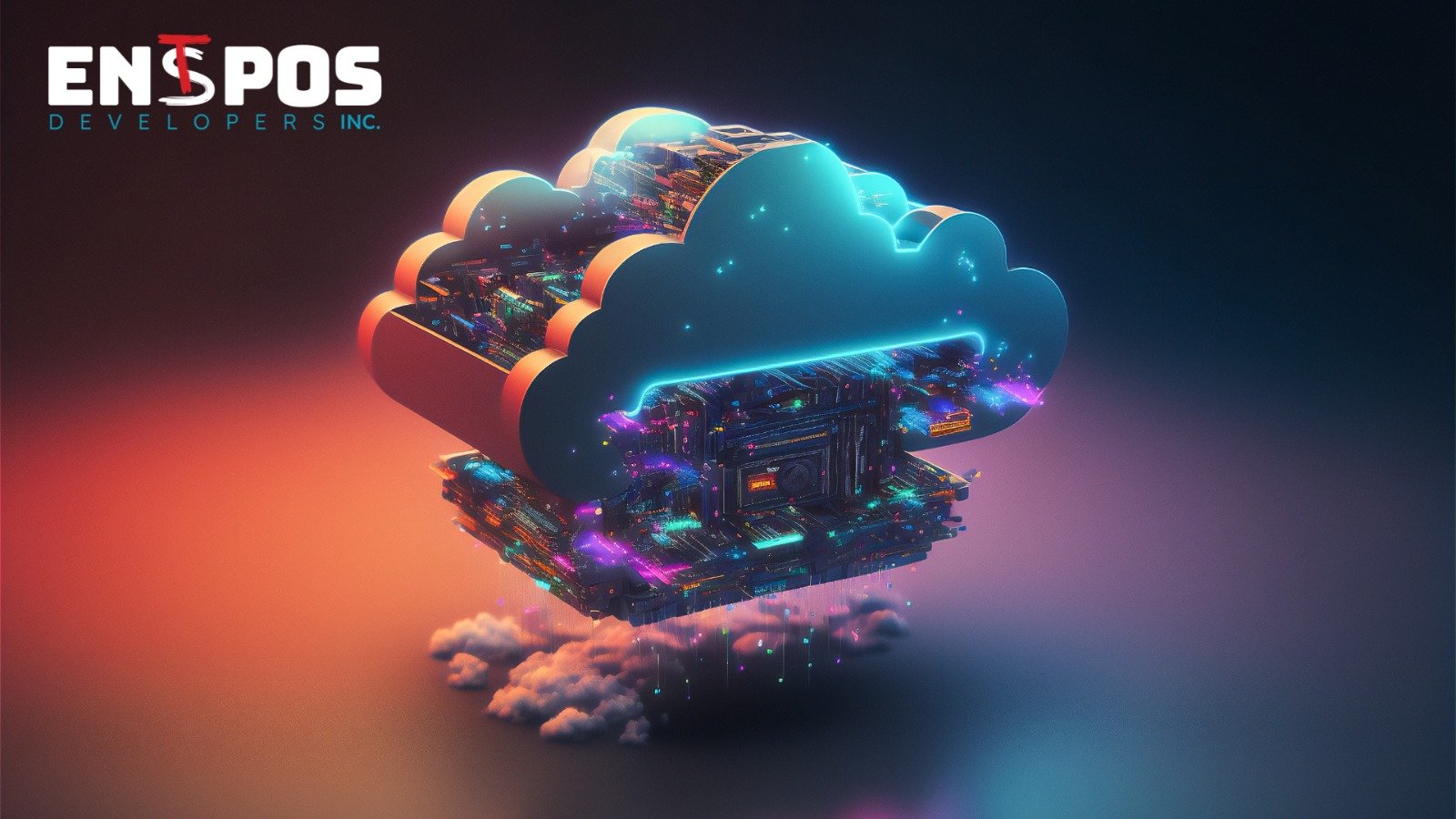
Cloud Computing: Powering the Digital Future
- Shameer
- 2:44 pm
- November 13, 2025
What is Cloud Computing
Cloud computing is the on-demand delivery of computing services — such as servers, storage, databases, networking, software, and analytics — over the internet.
Instead of owning and maintaining physical hardware or data centers, users rent computing power and storage as needed, paying only for what they use.
This revolutionary model enables users to access resources anytime, anywhere via the internet. The term “cloud” refers to a shared pool of configurable computing resources that can be rapidly provisioned and released with minimal management effort.
Cloud computing represents a major shift from traditional IT systems, offering greater flexibility, scalability, and efficiency. Today, it’s part of everyday life — from checking Gmail and streaming Netflix to running AI models and hosting global-scale applications.
The Evolution of Cloud Computing
The idea of shared computing resources dates back to the 1960s, when Dr. J.C.R. Licklider proposed the concept of an “Intergalactic Computer Network.”
However, modern cloud computing began taking shape in the early 2000s.
2002: Amazon launched its first cloud-based storage and computing services — marking the birth of modern cloud infrastructure.
2006: AWS introduced Elastic Compute Cloud (EC2), enabling users to rent virtual servers on demand.
2006: Google launched Google Apps (now Google Workspace), offering cloud-based productivity tools.
2009: Microsoft entered the scene with its first major SaaS offering, Microsoft Office 2011.
Understanding Cloud Service Models
1. Infrastructure as a Service (IaaS)
Provides fundamental computing resources — virtual machines, storage, and networking. Offers maximum control for IT administrators who want to build infrastructure without physical servers.
2. Platform as a Service (PaaS)
Delivers a complete development and deployment environment in the cloud.
Developers can focus on coding and innovation while the platform manages the infrastructure, software stack, and scalability.
3. Software as a Service (SaaS)
Delivers fully functional applications via a web browser (e.g., Gmail, Slack, Salesforce) — no installation or maintenance needed.
Ensures automatic updates, security, and data backup.
4. Serverless Computing
Abstracts all infrastructure management. Developers just write code, and the cloud handles scaling, execution, and billing — only charging for actual runtime.
A subset of this, Function as a Service (FaaS), runs small code blocks in response to triggers, optimizing efficiency and cost.
Exploring Cloud Deployment Models
1. Public Cloud
Offered over the internet by providers like AWS, Google Cloud, and Microsoft Azure.
Serves multiple organizations using shared infrastructure — providing affordability, scalability, and rapid deployment.
2. Private Cloud
Dedicated to one organization, offering enhanced control, security, and customization.
Used by industries with strict regulations such as banking and healthcare.
3. Hybrid Cloud
Combines public and private environments for a flexible, unified infrastructure.
Ideal for DevOps, dynamic scaling, and workload balancing.
4. Multicloud
Uses services from multiple providers to avoid vendor lock-in and leverage each platform’s unique strengths.
5. Modern Hybrid Multicloud
Integrates hybrid flexibility with multicloud diversity — offering maximum control, cost optimization, and performance.
Today, over three-quarters of organizations operate in a hybrid multicloud environment.
The Future of Cloud Computing
The future is cloud-driven, empowering innovation, sustainability, and intelligence across every industry.
Cloud technology continues to reshape how we build, deploy, and scale digital experiences globally.